


Corrugated Box vs Cardboard Box: What's the Difference?


Corrugated boxes and cardboard boxes are common packaging options for retail, storage, and shipping. Many people use these terms interchangeably, but they do not always refer to the same material or structure.
For e-commerce sellers, manufacturers, and packaging buyers, understanding the difference helps select the right box for product protection, shipping costs, and packaging requirements.
1. What Is a Corrugated Box?
A corrugated box is made from corrugated fiberboard, which typically consists of two flat linerboards and a fluted paper layer in between.
The wave-shaped middle layer creates space and structural support, helping the box resist compression and impacts during transportation.
Common features include:
-
Strong structural support for shipping and storage
-
Lightweight construction relative to its strength
-
Different flute profiles and wall configurations
-
Suitable for custom printing and die-cut designs
Corrugated boxes are widely used for e-commerce deliveries, warehouse distribution, export packaging, and industrial transportation.
For online retail businesses, corrugated mailer boxes provide a practical solution for shipping products securely.
2. What Is a Cardboard Box?
Cardboard is a broad everyday term for paper-based packaging board. In commercial packaging, it often refers to paperboard or folding carton material.
Unlike corrugated fiberboard, conventional paperboard usually has a solid, relatively flat structure without a fluted middle layer.
Typical characteristics include:
-
Smooth surfaces for printing and branding
-
Lightweight and easy-to-fold construction
-
Suitable for product presentation and retail packaging
-
Available in different thicknesses and paper grades
Cardboard boxes are commonly used for cosmetics, food products, small consumer goods, and retail packaging.
However, the term cardboard is sometimes used broadly to describe corrugated boxes as well. For accurate purchasing specifications, it is better to identify the actual board construction.
3. Corrugated Box vs Cardboard Box: Key Differences
| Comparison | Corrugated Box | Paperboard Box |
|---|---|---|
| Structure | Fluted middle layer with flat liners | Solid paperboard |
| Strength | Higher structural support | Generally lower compression resistance |
| Protection | Better for shipping and handling | Better for lightweight retail products |
| Weight | Lightweight for its strength | Usually lightweight |
| Printing | Supports custom printing | Smooth surface for detailed graphics |
| Applications | Shipping, storage, distribution | Retail packaging, cosmetics, food |
The main difference is the internal structure. Corrugated board uses a fluted layer to provide additional rigidity, making it more suitable for transportation and stacking.
4. How to Choose the Right Box?
The best packaging option depends on product weight, fragility, shipping distance, and presentation requirements.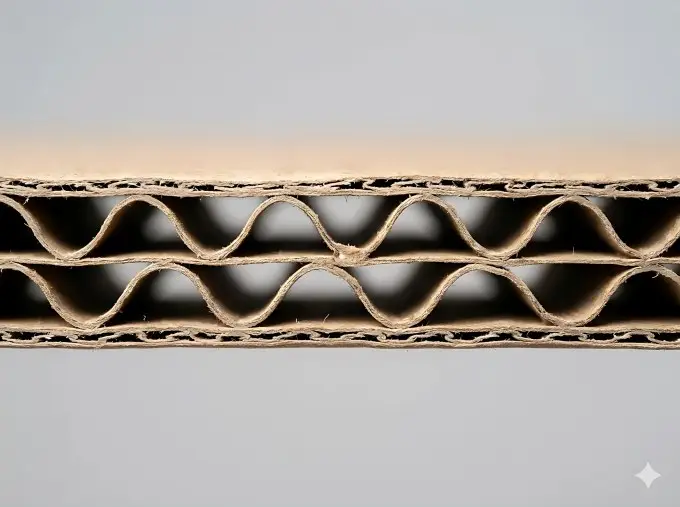
Choose Corrugated Boxes When:
-
Products need protection during long-distance shipping.
-
Packages may be stacked in warehouses or distribution centers.
-
Items require stronger outer packaging.
-
Businesses need customized shipping box dimensions.
Choose Paperboard Boxes When:
-
Products are lightweight and relatively non-fragile.
-
Appearance and retail presentation are important.
-
Packaging is mainly used for display or inner product packaging.
-
Detailed printing and compact folding designs are required.
For additional protection in e-commerce applications, a single-wall corrugated mailer box can provide a balance between packaging weight and structural support.
5. Frequently Asked Questions
Q1: Is a corrugated box stronger than a cardboard box?
Generally, yes, when compared with conventional folding paperboard boxes. Its fluted structure provides additional rigidity and cushioning.
Q2: Are corrugated boxes recyclable?
Most standard corrugated boxes are recyclable through paper recovery systems, provided they are not heavily contaminated or combined with difficult-to-separate materials.
Q3: What is single-wall corrugated packaging?
Single-wall corrugated board contains one fluted medium between two linerboards. It is commonly used for lightweight and medium-weight shipping applications.
Q4: Can corrugated boxes be customized?
Yes. Manufacturers can customize box dimensions, flute profiles, printing, colors, and structural designs according to product and shipping requirements.
Conclusion
Corrugated boxes and conventional cardboard boxes serve different packaging purposes. Corrugated boxes are generally better suited to shipping, stacking, and transportation, while paperboard boxes are often preferred for lightweight retail packaging and product presentation.
Choosing the right material helps businesses balance product protection, packaging costs, and customer experience.
MailersFactory offers customized corrugated packaging solutions for e-commerce sellers, wholesalers, and businesses looking for practical shipping packaging.
Share on Social:


